Empowering Communities for a Sustainable Future
We work to improve people's quality of life and health through sustainable practices — developing disaster risk reduction strategies, advocating eco-friendly solutions such as clean-energy generation, building resilient infrastructure, and deepening understanding of climate change through both knowledge and practical action.
CO₂ avoided per fly-ash brick vs. clay
Flood-safe elevation for structures
Water saved through smart irrigation
Clean energy powering new facilities
The urgency of climate action
Time is running out. The impacts of climate change are accelerating — rising temperatures, extreme weather and ecological disruption. We must act now to reduce emissions, transition to sustainable practices, and safeguard the planet for future generations.
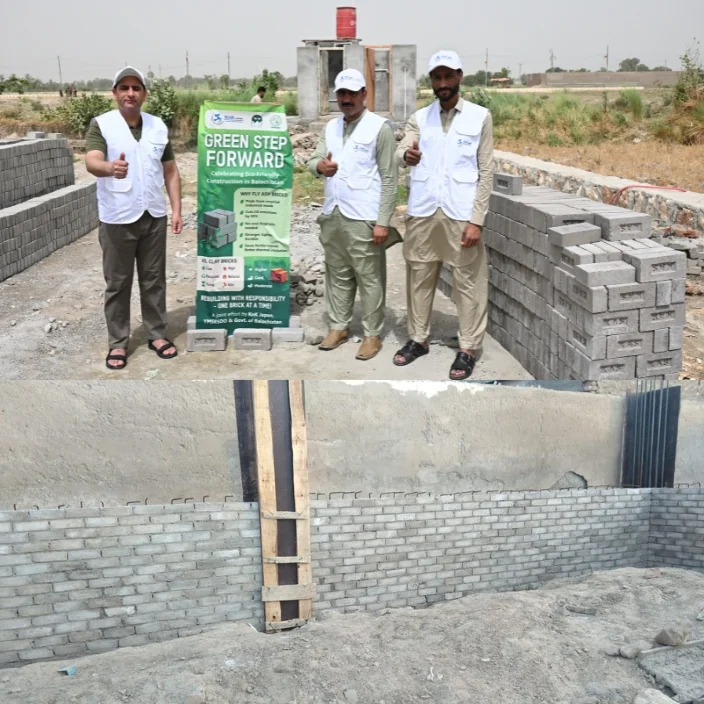
Fly ash bricks — turning waste into building blocks
Fly ash bricks are a cornerstone of our sustainability work. Crafted from recycled fly ash — an industrial byproduct of thermal power plants — they turn a potential pollutant into a valuable resource. They avoid raw-clay extraction and kiln firing, are lighter and more durable than clay bricks, and insulate better against heat. Each fly-ash brick avoids roughly 0.5 kg of CO₂ compared with a standard clay brick.
Eco-cement for greener construction
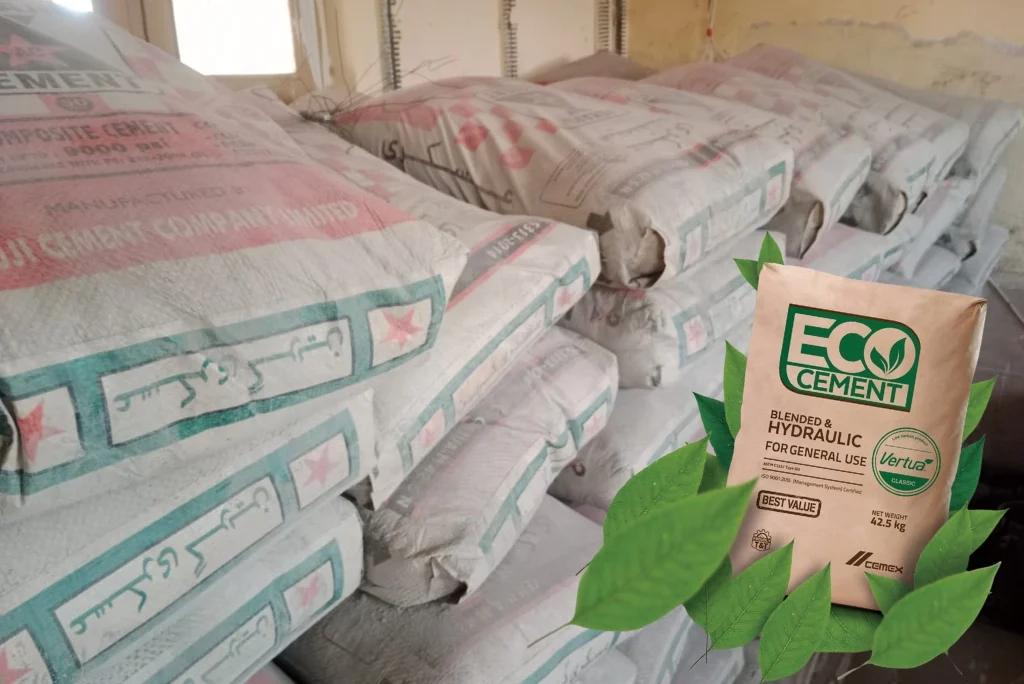
We integrate eco-cement (green cement) into construction to cut carbon emissions. By partially replacing limestone with industrial byproducts such as fly ash or slag, eco-cement lowers the environmental impact of production while maintaining strength and durability — supporting climate-resilient infrastructure.
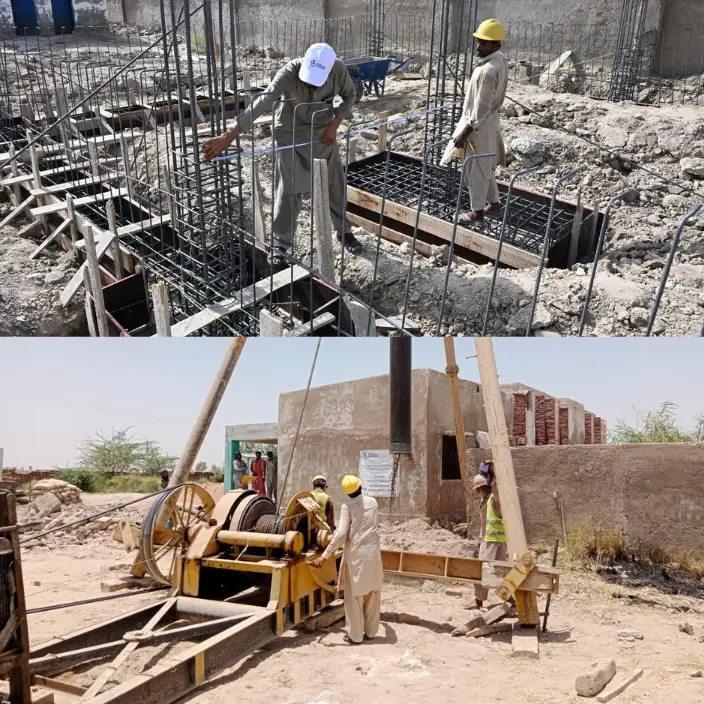
Flood-resistant infrastructure
In flood-prone areas we build for safety with pile foundations and elevated stem walls. Pile foundations anchor buildings deep into stable ground to resist weak soils, floods and seismic forces; structures are raised up to five feet above expected flood levels, while stem walls guard against erosion and water damage for long-term durability.
Green infrastructure & clean energy
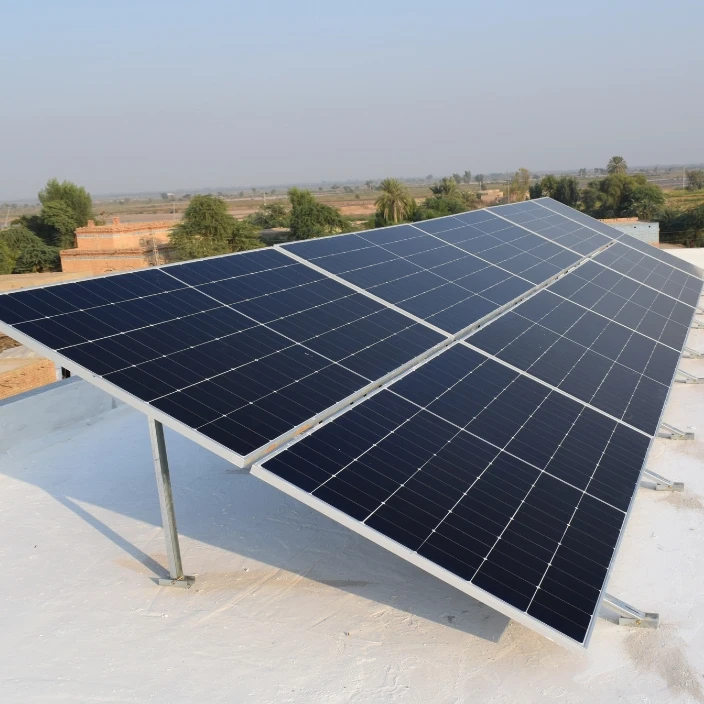
Our buildings are designed to be sustainable and adaptable to a changing climate. Green roofs cut the urban heat-island effect and add insulation; rainwater harvesting captures and stores water for non-potable use while buffering flood surges; and rooftop solar reduces reliance on fossil fuels — making facilities clean, efficient and capable of running off-grid.
Disaster Risk Reduction
We build resilience through a four-pillar approach that turns risk into readiness — backed by infrastructure engineered to withstand floods and earthquakes.
- Partnerships and international cooperation
- Community preparedness
- Education and awareness
- Ecosystem-based approaches
Reviving our planet — reforestation
Through plantation and reforestation drives we help restore and preserve natural ecosystems — reducing erosion, improving air quality and rebuilding green cover for a more sustainable future.
Climate-Smart Agriculture with GrowTech
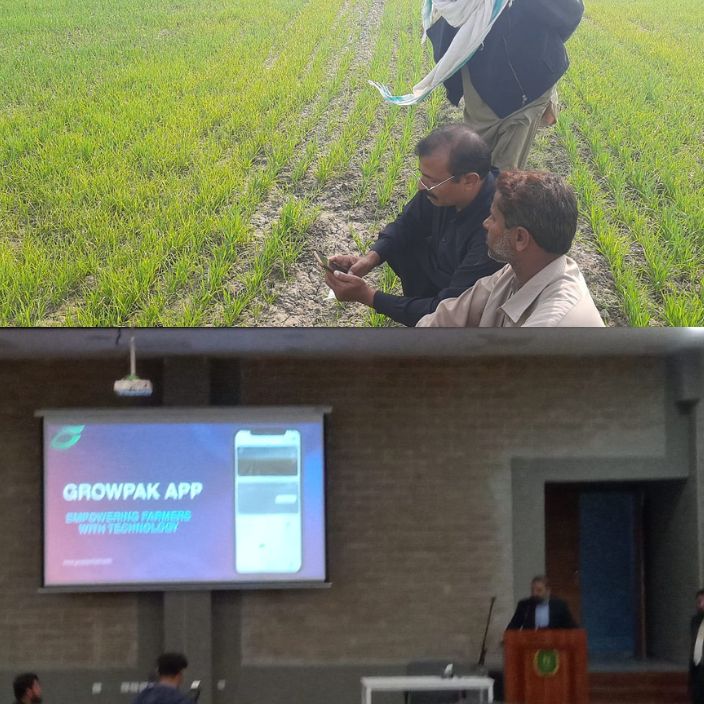
In response to climate change, water scarcity and food insecurity, KnK Japan has partnered with GrowTech Sole to bring Climate-Smart Agriculture to vulnerable regions — introducing efficient drip, pivot and sprinkler irrigation, training farmers in CSA techniques, and promoting climate-resilient seeds and precision-farming tools that save water while maintaining yields.
Expected outcomes
Our climate interventions are designed to deliver measurable results for communities and the environment.
- Up to 40% water savings through efficient irrigation
- Improved crop productivity and food security
- Greater resilience to climate shocks
- Reduced environmental impact and greenhouse-gas emissions