Ruqeea’s Success Story: Empowering Girls Through Education
Rural Pakistan
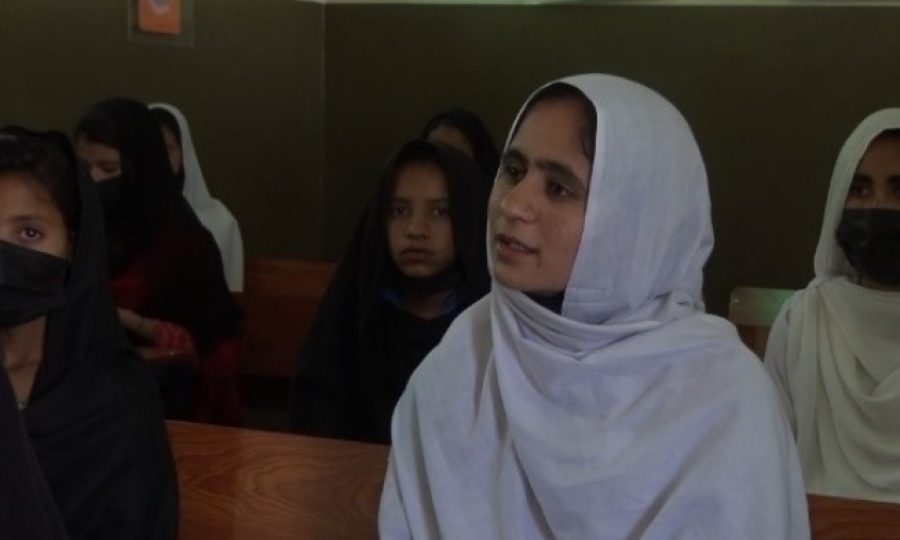
“Now I want to be a doctor because I think this country should be filled with healthy people.”
In rural Pakistan, the most significant obstacle to girls’ education is the demanding workload. Cultural traditions often place the expectation on daughters to toil tirelessly for their families both at home and outside — fetching water, cooking, tending to crops and animals, and assisting with various domestic responsibilities. These demanding tasks often leave little room for school attendance.
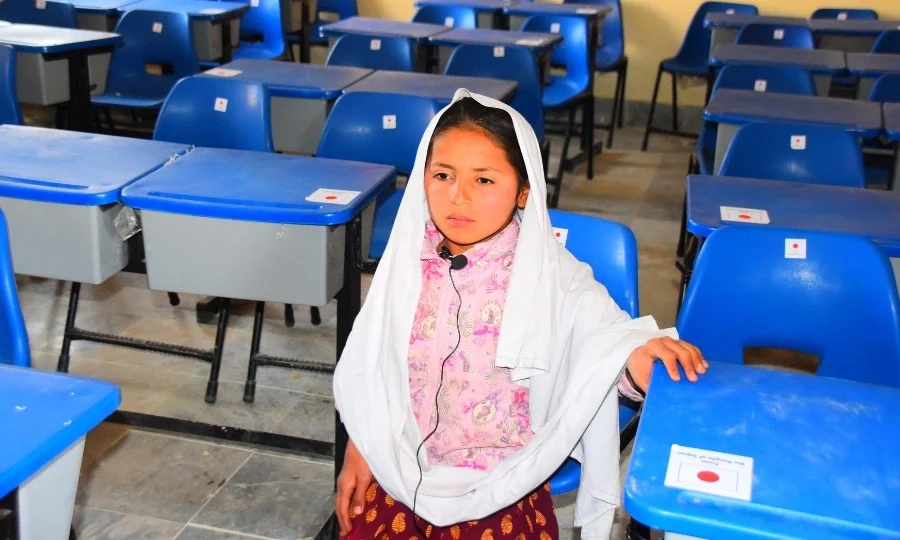
Ruqeea, born and raised in a rural village, faced these challenges. She shouldered a heavy load of household chores, which made it difficult to attend school regularly. Ruqeea vividly recalls her struggle: “I couldn’t study. I couldn’t go to school every day.”
The turning point came with the intervention of KnK Japan at the secondary level. The organization educated parents about the importance of girls’ education and established community groups to raise awareness. With newfound determination, Ruqeea started attending school every day.
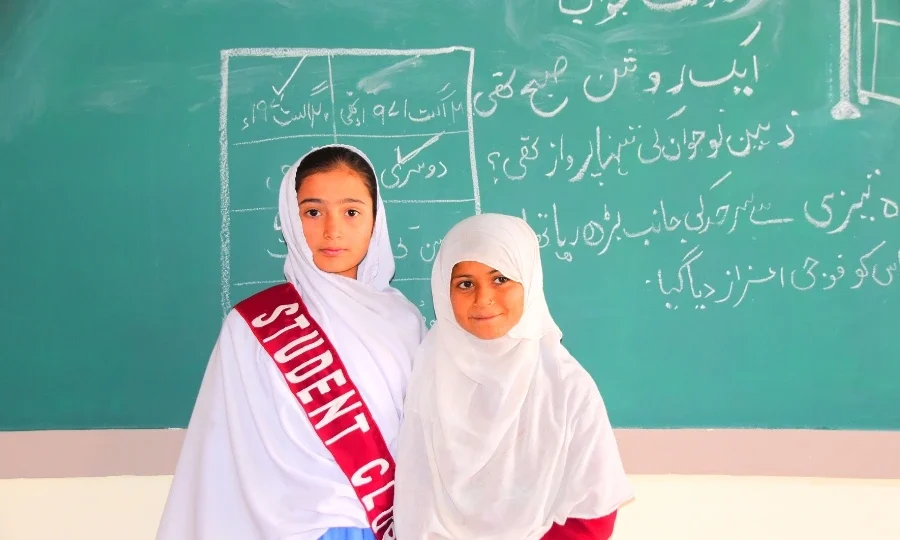
Her academic performance soared, going from ranking 35th out of 60 students to achieving top positions in her class: “I was number 1 in grade 5, then number 6 in grade 6. I’m still in grade 7, and I think I will be number one this year.” She is also part of a girls’ club and takes life-skills classes covering hygiene, values and safety.
Ruqeea’s journey, from a young girl weighed down by household responsibilities to a confident and determined student, embodies the transformative power of education and the vital role of organizations like KnK Japan in empowering girls in rural Pakistan.