Skip to content
KnK Pakistan
What We Do

Research & Development

Evidence and innovation that make every intervention smarter and stronger — from structural safety and hydrology to nature-based solutions and green skills.
Structural Health Assessment (SHA)

Structural Health Assessment (SHA)

With DQA Associates, KnK Pakistan runs one of the country's most rigorous efforts to assess how safe and resilient buildings really are, using Structural Health Assessment (SHA).

Structural Health Assessment (SHA)
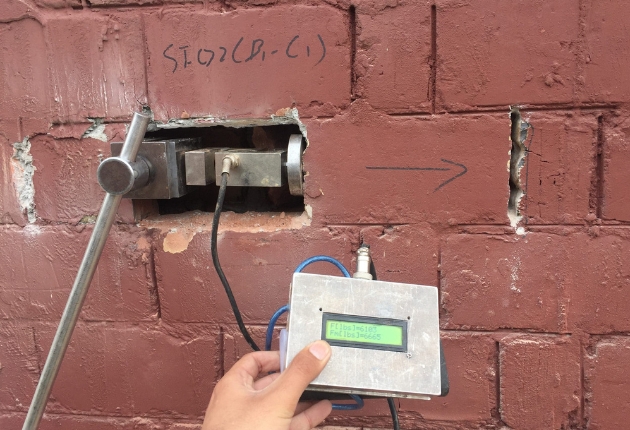
SHA lets us gauge a building's structural integrity and its ability to hold up against earthquakes, floods and other hazards. We start with a rapid screening using international standards such as FEMA P-154 and ATC-45 alongside DQA's own method, to judge whether a building is safe, needs repair, or warrants deeper investigation. Higher-risk or hard-to-assess structures then get a full analysis — sampling walls and foundations, testing material strength and running 3D simulations of how the building might behave in a disaster — so we can decide whether it should be repaired, retrofitted or rebuilt to keep occupants safe.

Hydrological Research & Water Management

Hydrological Research & Water Management

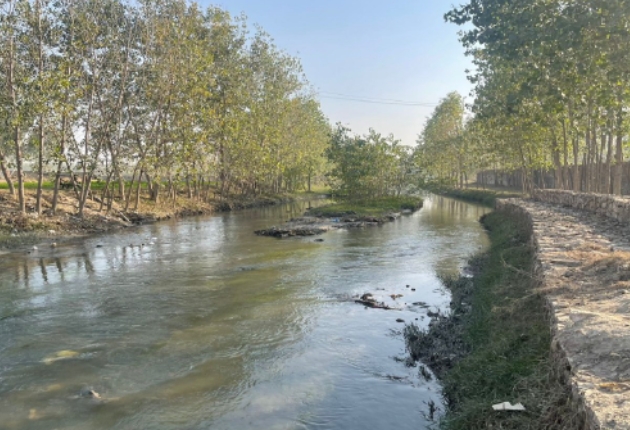
Pakistan often faces water shortage and flood risk at the same time. Our hydrological surveys inform smarter water management and strengthen climate resilience.

Hydrological Research & Water Management
These surveys help us read soil stability, map elevation changes and flag areas prone to slope failure or fault lines. That information is key to choosing safe sites for construction — especially where landslides or floods are a risk — and to designing durable infrastructure that can withstand environmental stress and protect communities.

Geotechnical & Topographical Surveys

Geotechnical & Topographical Surveys

We adopt advanced survey technologies to raise the quality of our research and involve communities more closely in the process.

Geotechnical & Topographical Surveys
Using tools such as GIS-based hazard mapping and interactive dashboards, 3D flood-modelling, drone surveys of disaster-hit areas and mobile data-collection apps, we capture accurate, timely information. These technologies sharpen the precision and speed of our assessments and support evidence-based advocacy, helping partners make informed decisions and shape policies that improve disaster resilience and preparedness.

Nature-Based Solutions (NBS)

Nature-Based Solutions (NBS)

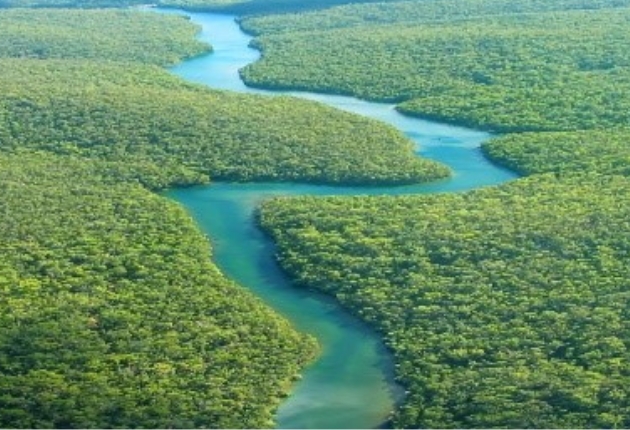
We build Nature-Based Solutions into our research and programmes, championing sustainable, ecosystem-led ways to reduce disaster risk.

Nature-Based Solutions (NBS)
This includes restoring wetlands and mangroves to ease flooding, running reforestation to curb soil erosion and slope failure, and using bioengineering to stabilise at-risk slopes naturally. These approaches are cost-effective and long-lasting, complementing conventional engineered solutions. Rooted in global climate-adaptation practice, NBS offers practical, community-centred options that build resilience while protecting natural ecosystems.

Local Capacity Building

Local Capacity Building

We believe resilience is people-centred: empowering individuals and communities is central to lasting, sustainable development.

Local Capacity Building
Through field trainings and technical workshops we build green skills in safe construction, hazard mapping, community-based risk monitoring and digital environmental-management tools. By training government staff, young engineers and community members alike, we grow risk-management capacity at the grassroots — strengthening local ownership and making resilience efforts inclusive, sustainable and led by the people most affected.

Green Skills & Entrepreneurship

Green Skills & Entrepreneurship

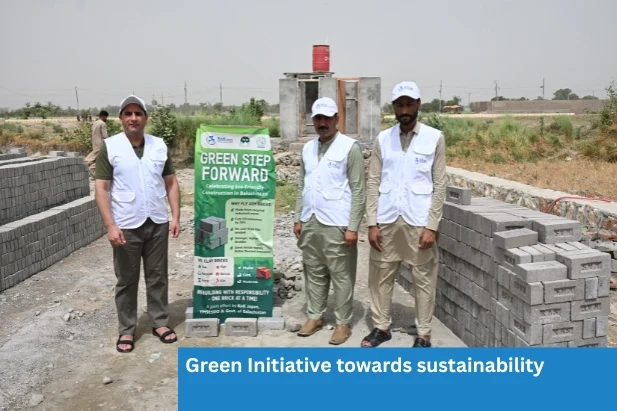
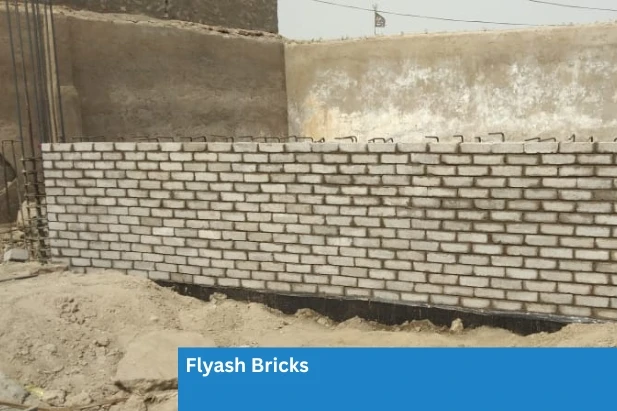
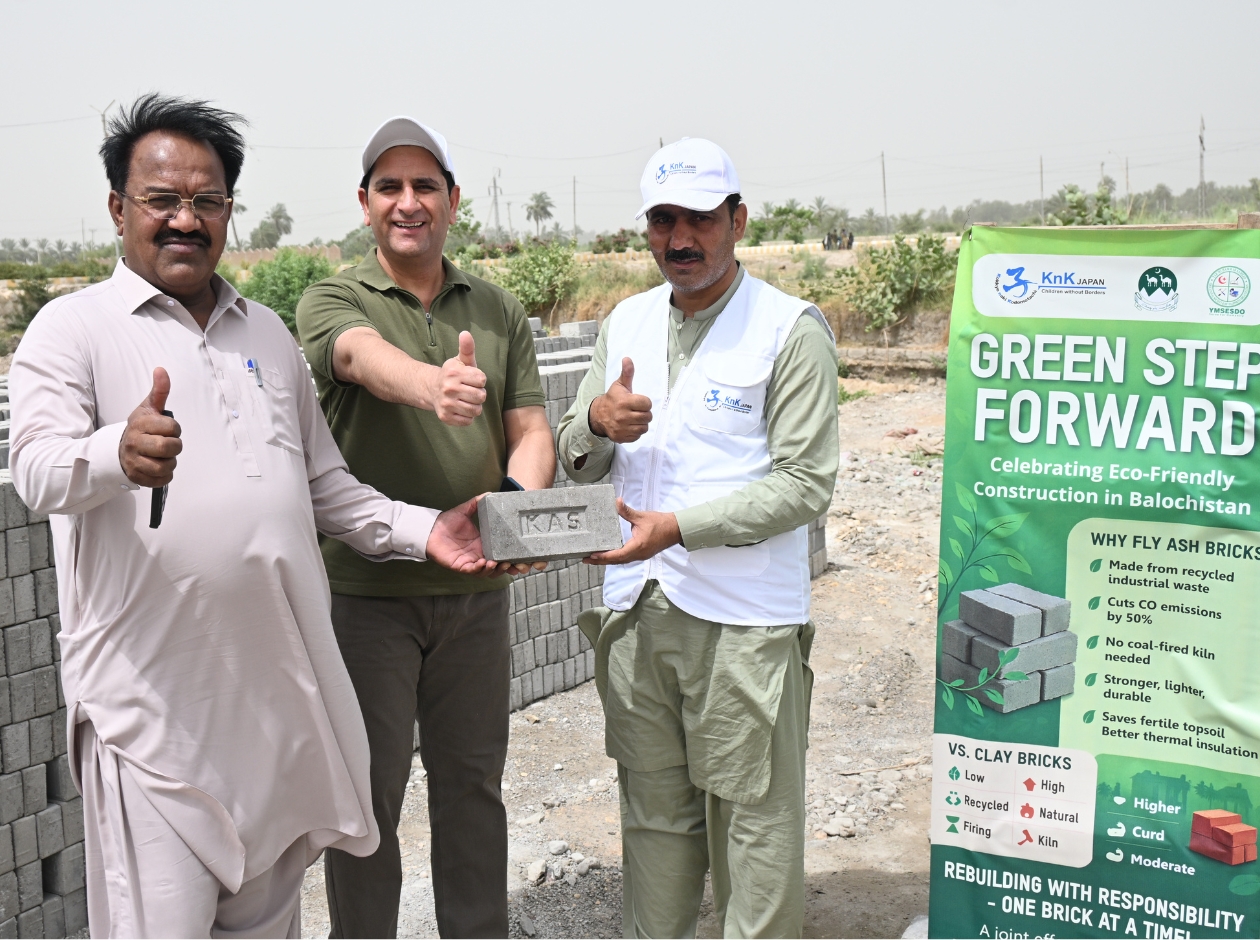
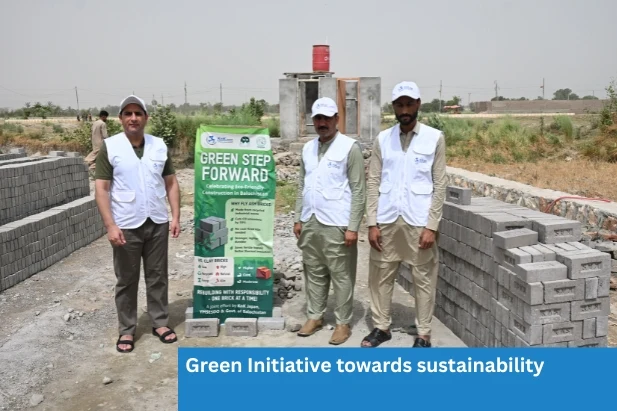
With the Government of Balochistan and YMSESDO, we're advancing eco-friendly construction by promoting fly-ash brick technology and the green skills to use it.

Green Skills & Entrepreneurship

This reflects our commitment to green skills and climate-smart enterprise — helping communities rebuild sustainably while creating new livelihoods. Fly-ash bricks cut carbon emissions dramatically (up to around 50% less CO₂), reuse industrial by-products, and are lighter, stronger and more durable than conventional bricks. They also remove the need for coal-fired kilns, improving air quality. Beyond the technology, the project nurtures sustainable construction practices and skills for youth and local craftspeople — growing a new generation of eco-minded entrepreneurs and a greener, more resilient Balochistan.

R&D in Action

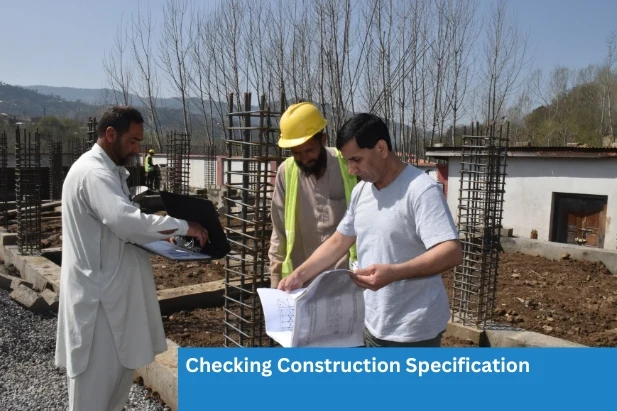
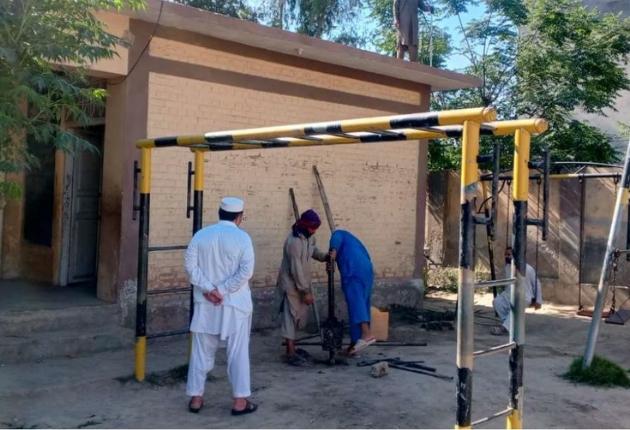
Checking construction specification
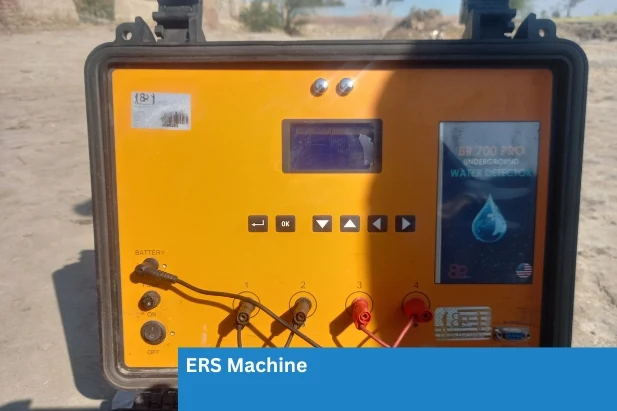
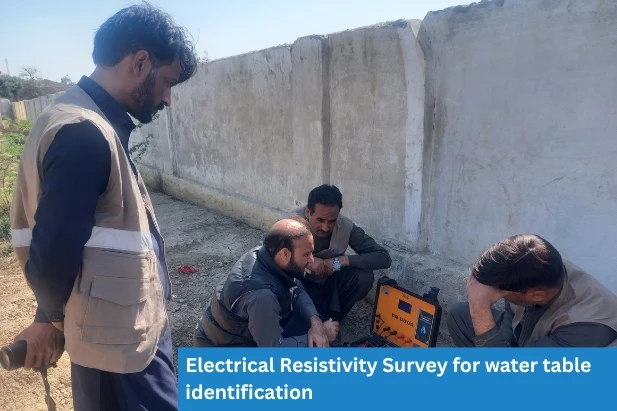
ERS machine
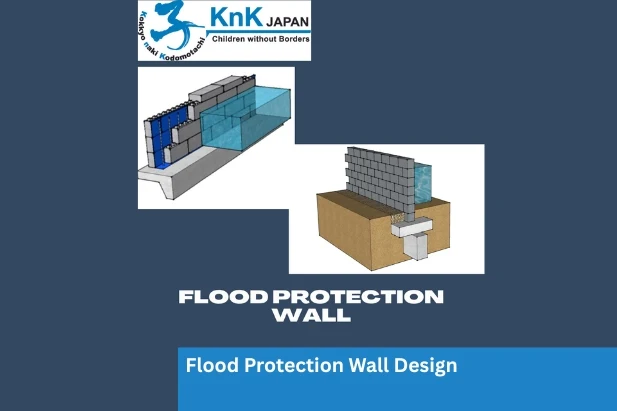
Flood protection wall design
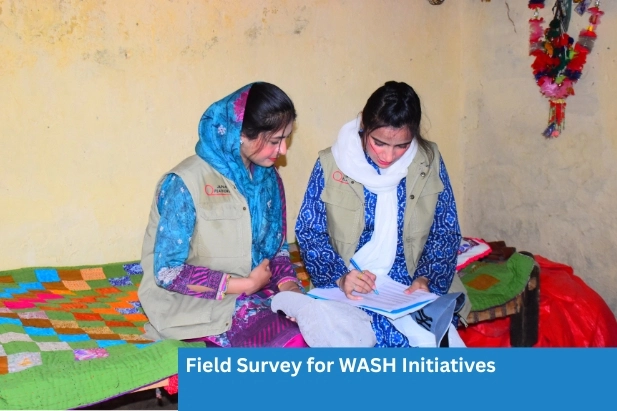
Field survey for WASH initiatives
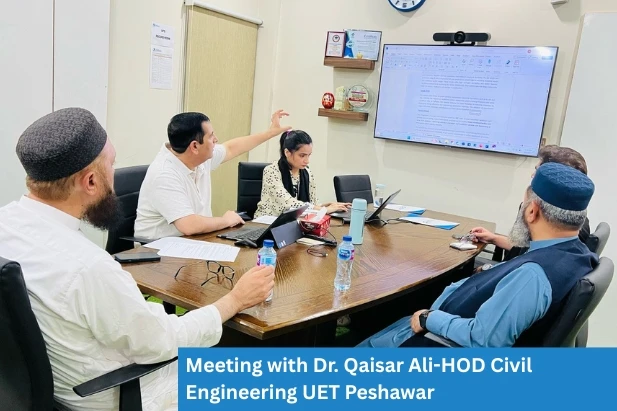
Meeting with Dr. Qaisar Ali, HOD Civil Engineering UET Peshawar
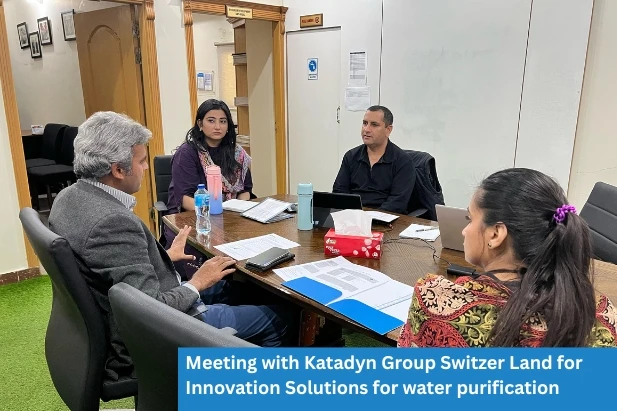
Meeting with Katadyn Group Switzerland on water purification
Electrical resistivity survey for water-table identification
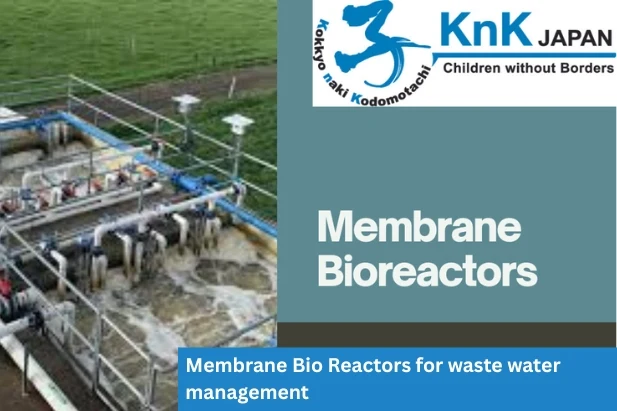
Membrane bioreactors for wastewater management
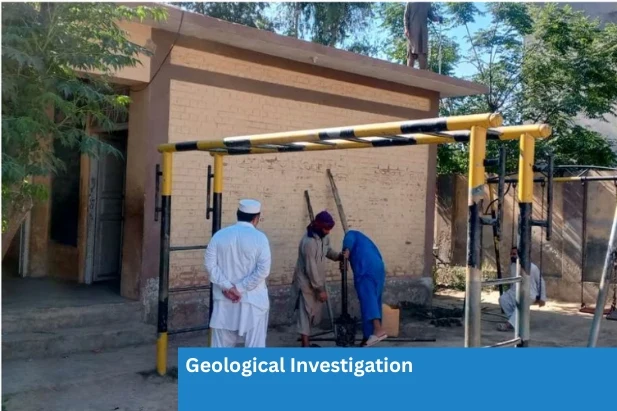
Geological investigation
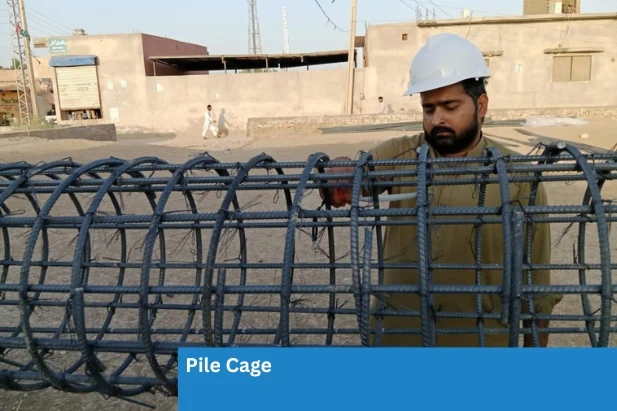
Pile cage
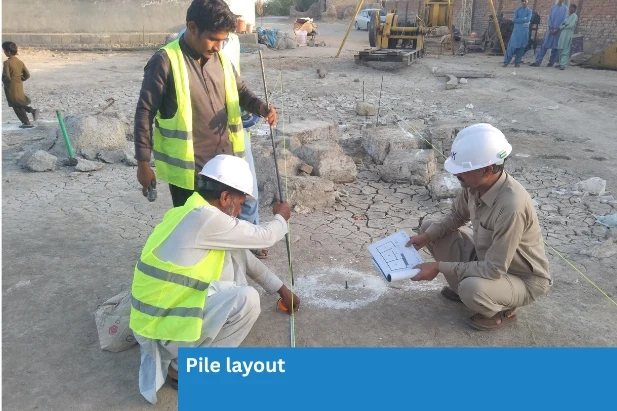
Pile layout
Green initiative towards sustainability
Fly-ash bricks
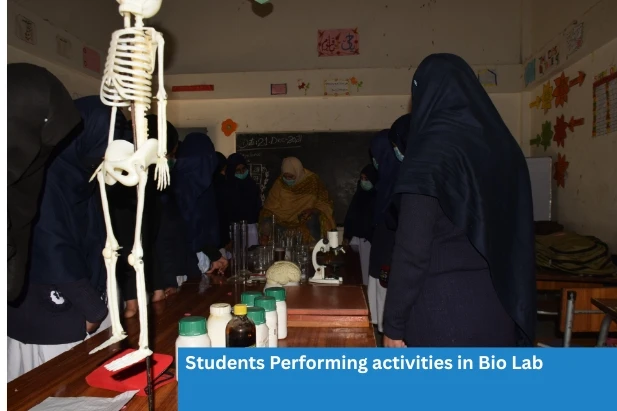
Students performing activities in the biology lab
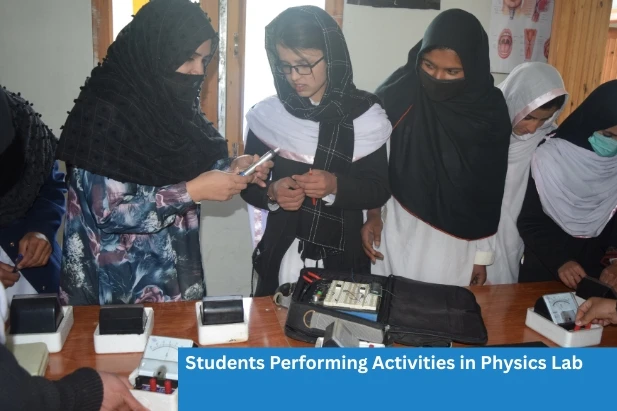
Students performing activities in the physics lab
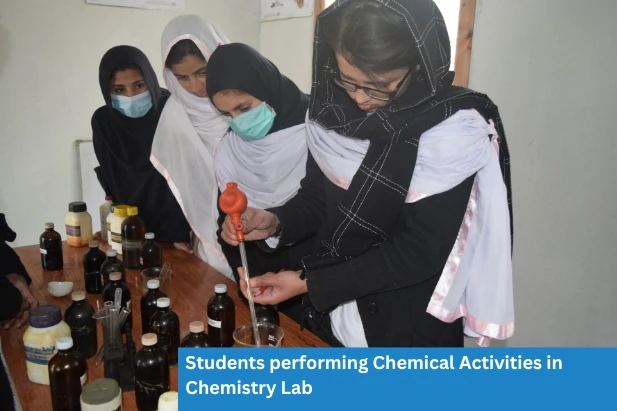
Students performing chemistry-lab activities
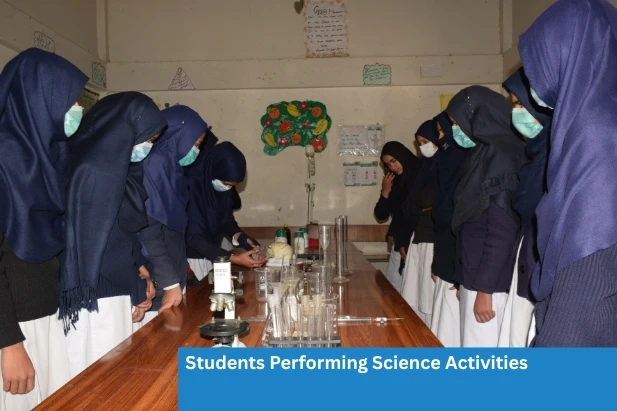
Students performing science activities

Together We Can Make a Difference — Join Our Mission