Health and Nutrition
From flood-emergency nutrition for infants to pandemic response, KnK Pakistan protects the health of the most vulnerable communities.
Nourishing Vulnerable Lives
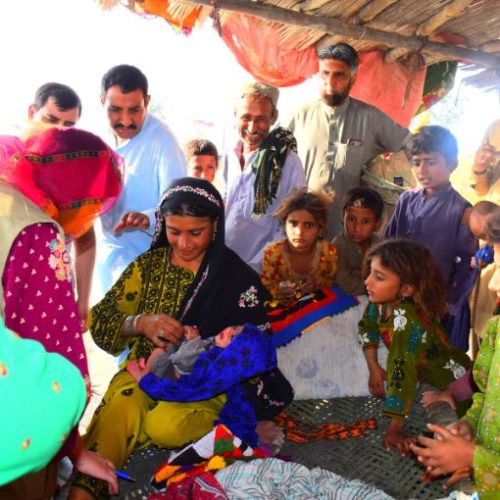
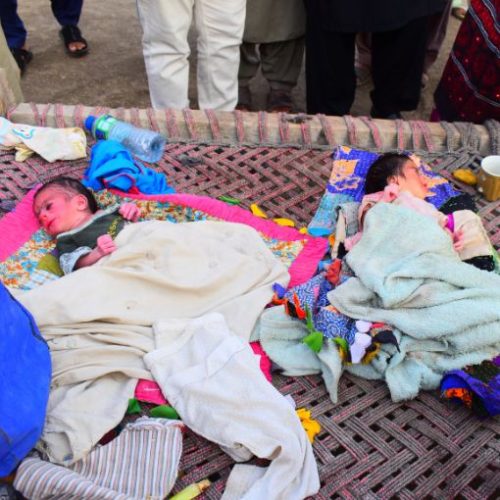
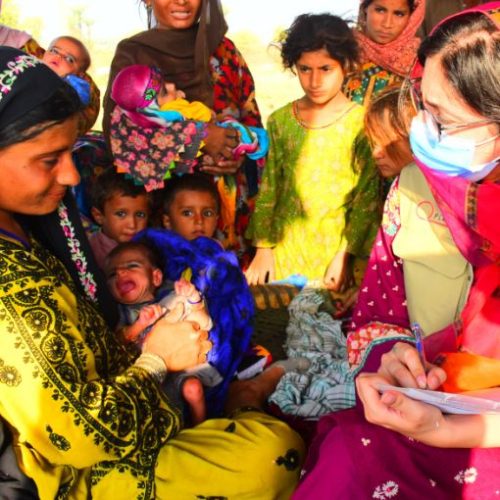
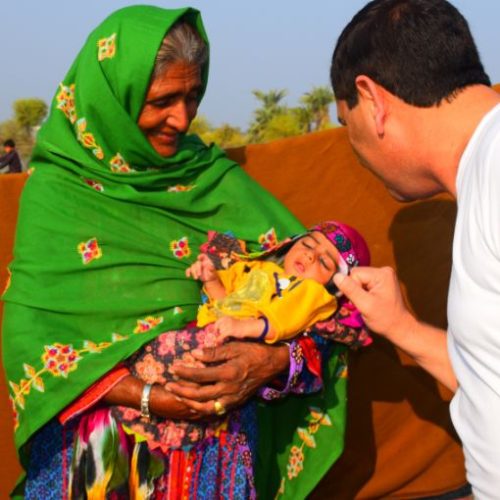
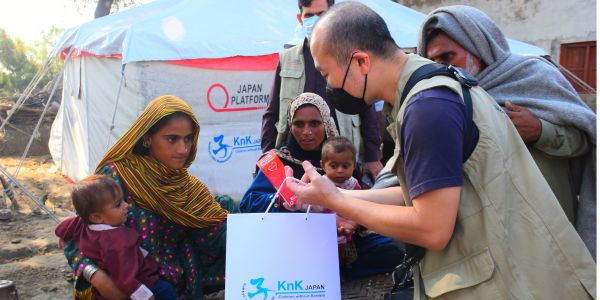
As part of our Flood Emergency Response in Sindh and Balochistan, we provided nutritional supplements to infants to meet their needs during the crisis. Floods disrupt food supply chains and cause shortages that hit the most vulnerable — especially babies — hardest.
Getting these supplements to infants was a core part of the response, helping protect them from malnutrition and the health problems that come with it during an emergency.
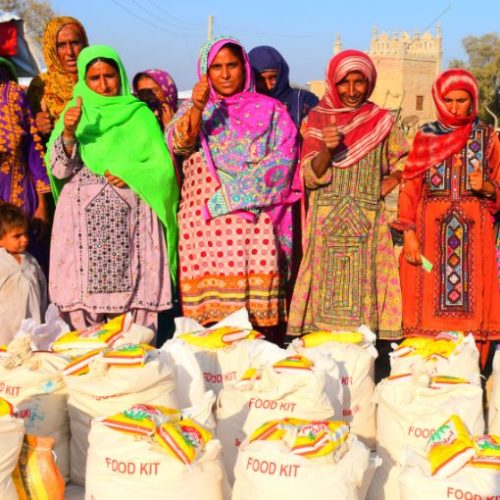
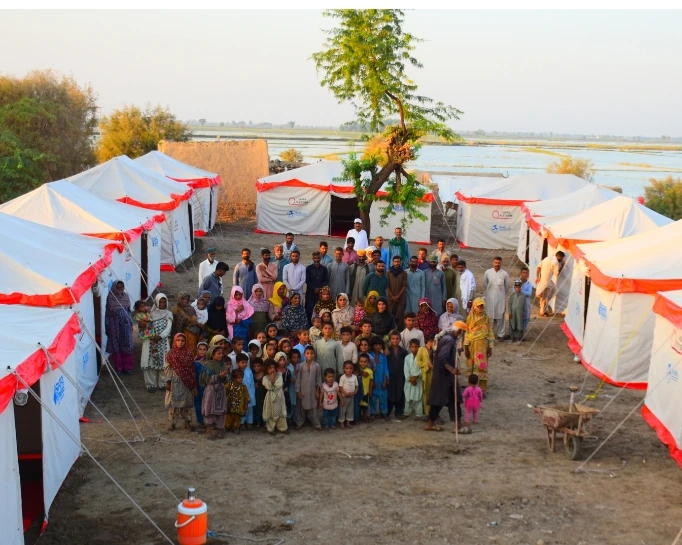
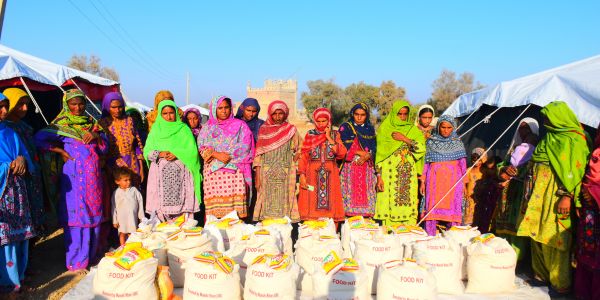
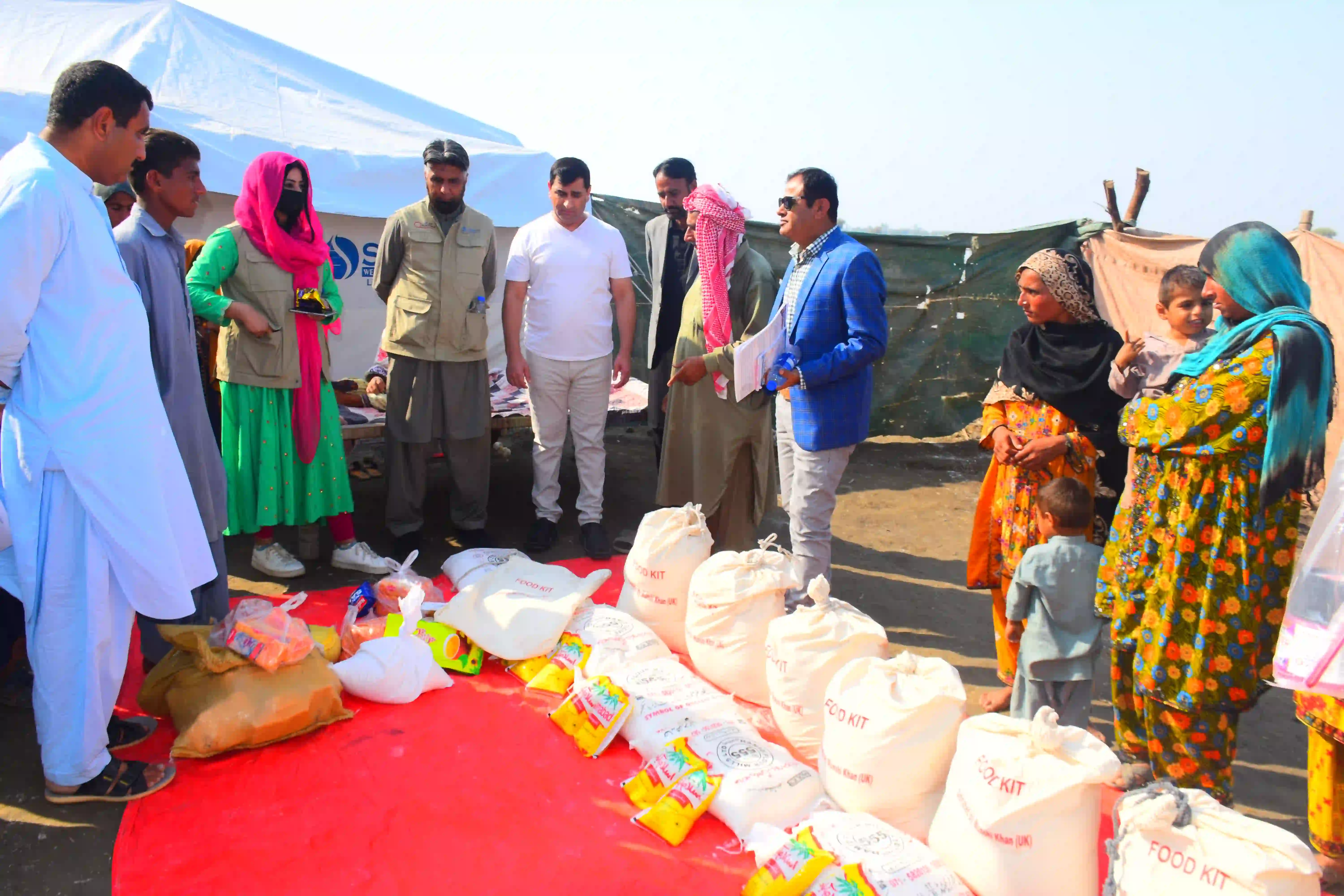
Alongside supplements, the programme delivered ration packs and other support to flood-affected families — meeting urgent needs while contributing to longer-term recovery and resilience, with a focus on infants and young children.
Food Insecurity in Pakistan: A Response from KnK Japan to the 2022 Flood Emergency
Ranked 99th of 121 countries on the Global Hunger Index, Pakistan saw food insecurity worsen during the 2022 floods. Integrated Food Security Phase Classification (IPC) data showed the severity across Balochistan, Khyber Pakhtunkhwa and Sindh, affecting close to 37 million people.
Heavy monsoon rains and flooding in late 2022 — worst in Sindh and Balochistan — disrupted food production, consumption and livelihoods. The aftermath kept food hard to access as prices and incomes suffered; between November 2023 and January 2024, an estimated 11.8 million people (about 32% of the analysed population) were projected to face high levels of acute food insecurity.
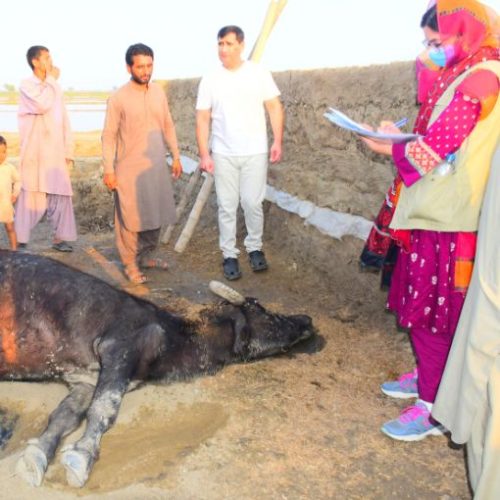
In response, KnK Japan's Flood Emergency Response 2022 assessed 610 households and delivered vital nutrition support across Sindh and Balochistan — addressing immediate needs while building long-term community resilience.
COVID-19 Response
At the height of the pandemic, KnK Japan mobilised to protect health workers, students and vulnerable communities across Pakistan.
COVID-19 Support to Health Department & Hospitals
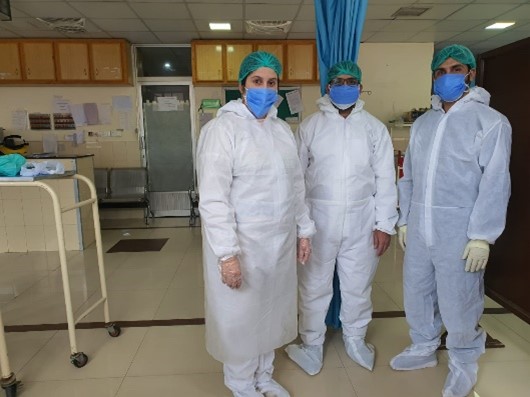
As cases surged at the pandemic's peak, demand for intensive care soared and strained Pakistan's fragile health system. With the generous support of the people of Japan and our local partner FWA, KnK Japan supplied health equipment and personal protective gear to medical and paramedical staff at tertiary health-care centres across Hazara Division — including district and divisional headquarter hospitals and quarantine centres set up by the Government of Pakistan.
Supporting Education During the COVID-19 Outbreak
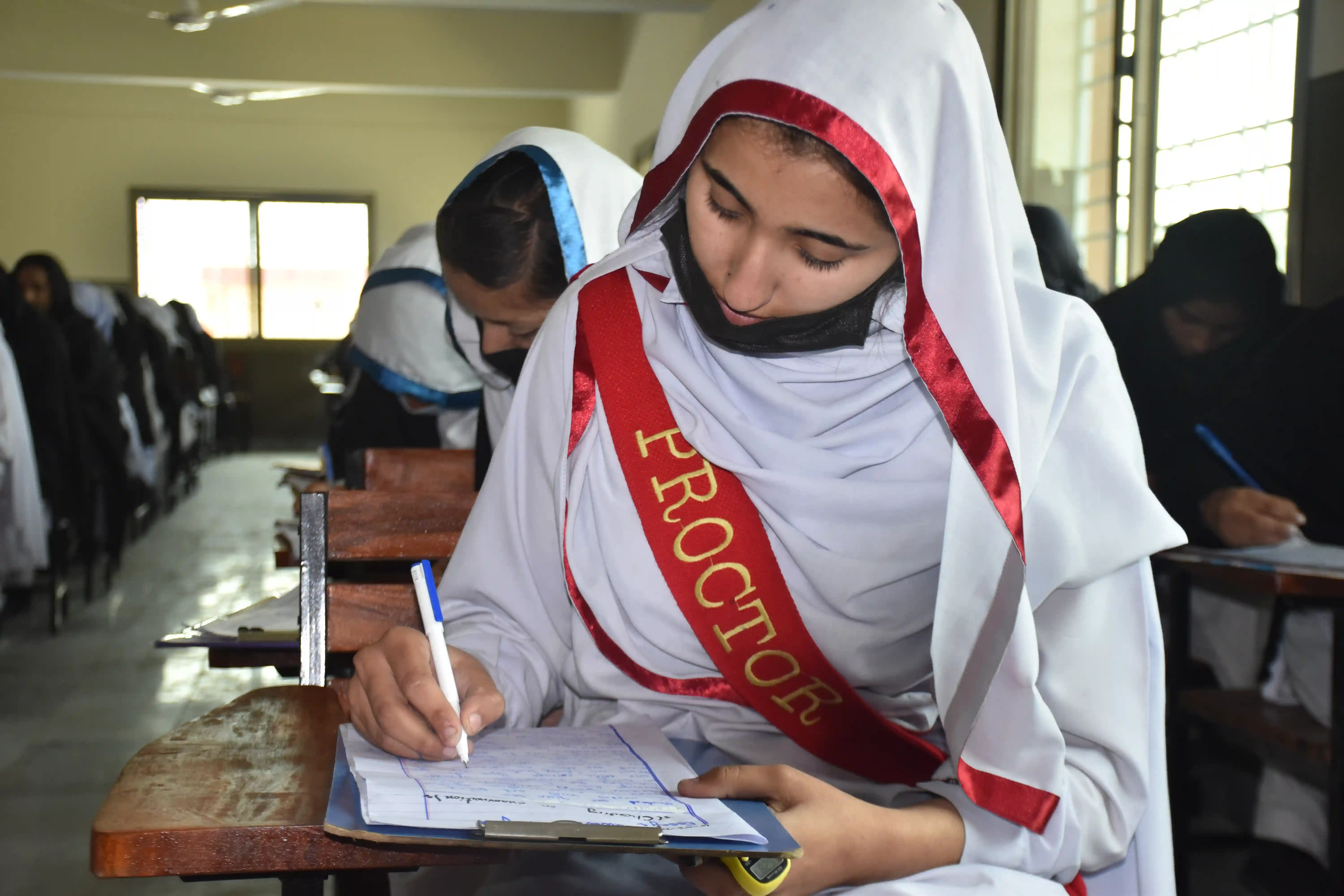
The pandemic laid bare deep inequities in education. Better-off students found alternatives when schools closed, while disadvantaged children were left behind without online tools or supportive learning environments. The shift to remote learning demanded rapid adaptation from students and teachers alike, and marginalised groups struggled most to keep up.
COVID-19 Support to Education Department
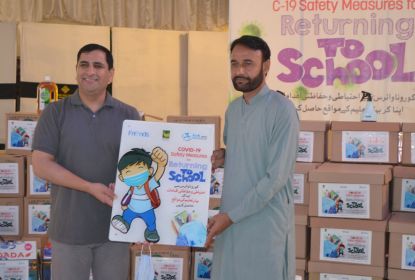
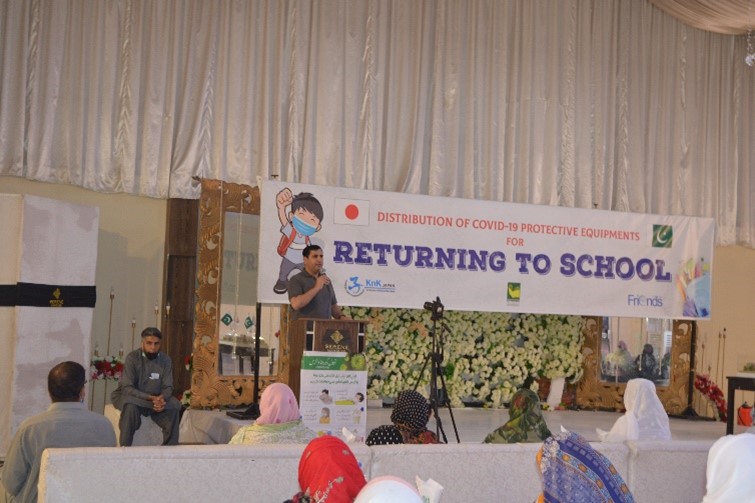
KnK Japan supported a safe return to learning in line with government guidelines — providing essential medical supplies and protective gear to health facilities and workers, and distributing hygiene materials and food packages to communities hit hardest by job loss and poverty during a difficult time.
Achievements
KnK Japan delivered health equipment and protective kits to medical facilities across Pakistan. The first batch (20 April 2020) reached King Abdullah Teaching Hospital Mansehra and Ayub Medical Complex (AMC) Abbottabad; the second (21 May 2020) went to the District Health Officer Mansehra and AMC Abbottabad, in a ceremony attended by officials including Deputy Commissioner Mansehra Mr. Aurangzeb Haider and Assistant Commissioner Ms. Talat Fahd; a third batch reached AMC Abbottabad on 20 June 2020.
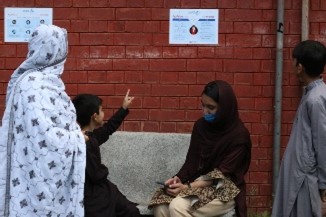
Impact of Medical Supplies in Rural Areas
By equipping District Health Offices — which passed supplies on to hospitals, quarantine centres and Basic Health Units — we improved the safety and confidence of doctors and paramedics treating COVID-19 patients. With protection kits and quality masks, health staff became more active in identifying and safely transporting patients from rural areas to hospitals, where a lack of protective gear had previously left them at risk.
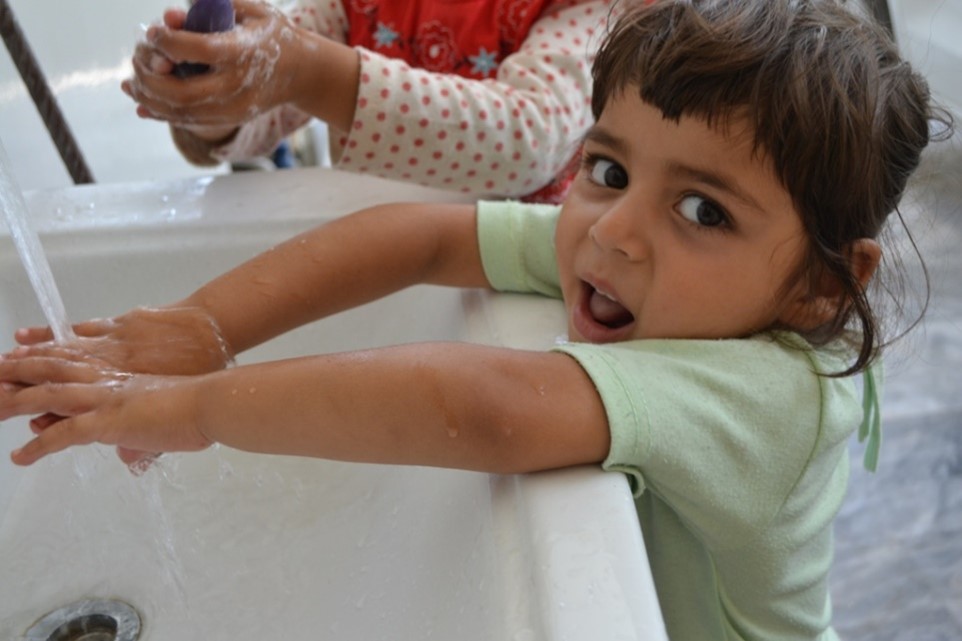
COVID-19 Support to Communities
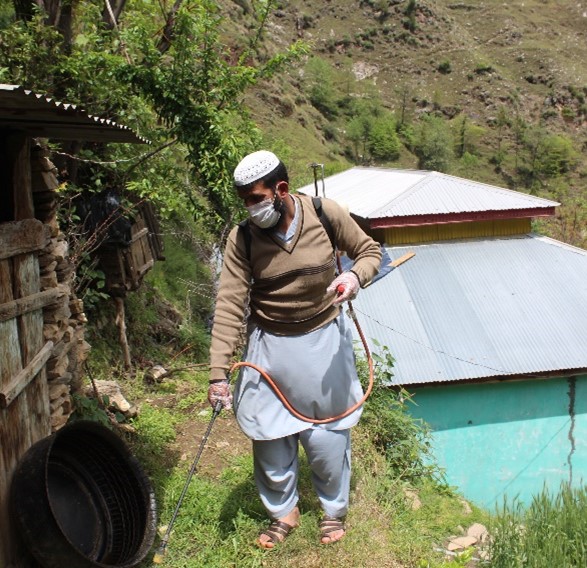
KnK Japan focused on community awareness, using social media and a network of 1,000 young volunteers to share safety information. We also delivered food packages to at-risk groups — including orphans, widows and transgender individuals — working with local partners to prevent hunger and malnutrition.
In the Field